
Give the brief room to develop
A useful brief describes more than a visual style. It explains who will use the space, what they need from it and which priorities matter most. Existing plans, reference images and a candid conversation about budget and timing make a productive starting point.
Explore before committing
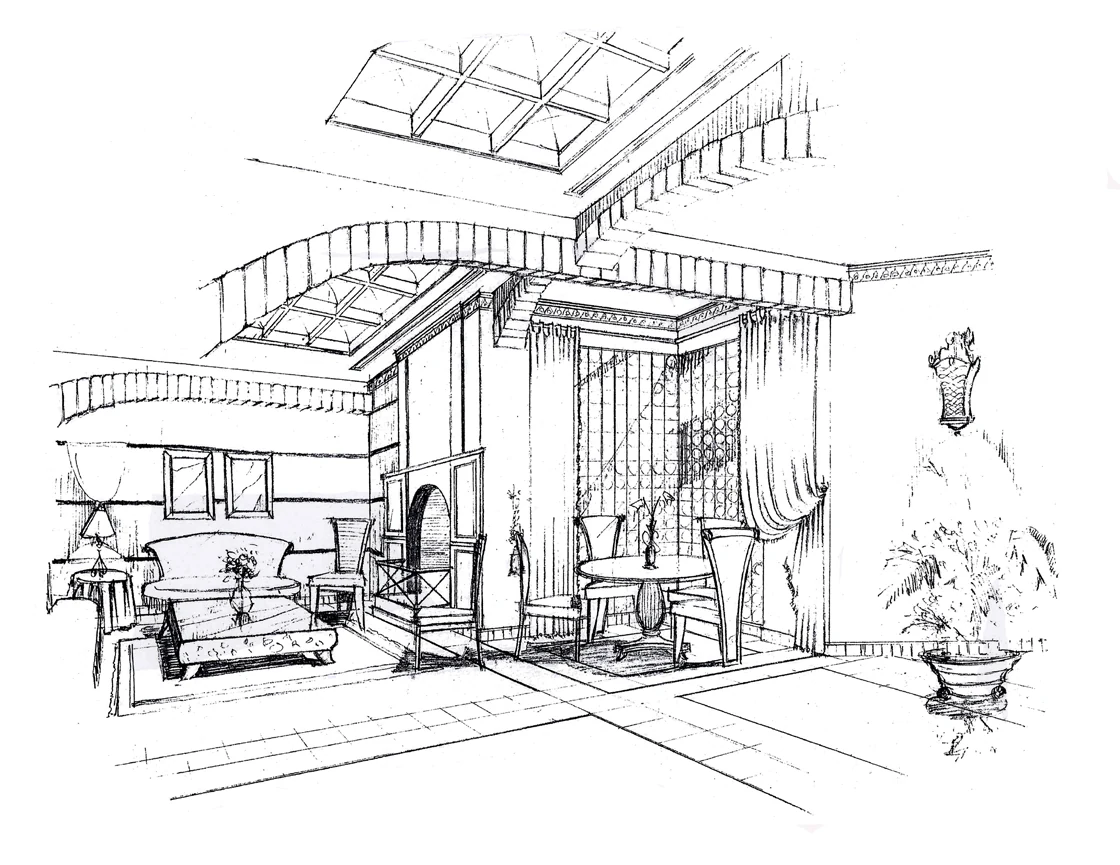
Space planning and concept studies help turn the brief into a direction. Compare the practical consequences of different layouts. A clear concept gives the project a reference point when later decisions become more detailed.
Coordinate the layers
Interior, architectural, lighting and furniture decisions affect one another. Bringing them together early helps identify questions before they reach site. Visualization can help explain the proposal, but it works best alongside clear drawings, material information and an agreed scope.
Carry the intention through
Procurement, implementation and installation turn the design into a place people can use. Keep a clear record of selections and agreed changes. Reviewing the work against the brief helps preserve the qualities that made the original concept worthwhile.